48 Hours in Kyoto
6 minutes read
Kyoto reveals itself quietly. Through bowls of handmade soba served in centuries-old restaurants, temple gardens hidden behind wooden gates, the sound of water along Arashiyama, and evenings spent listening to live jazz in intimate bars. This is not a guide to rushing through Kyoto’s landmarks, but a slower way of experiencing the city over 48 thoughtful hours.
by Melody Tan
Kyoto is often imagined through its temples and seasons: cherry blossoms in spring, fiery maple leaves in autumn, narrow lanes lined with wooden machiya houses. But beyond its postcard beauty lies a city deeply shaped by ritual and craftsmanship.
Potters still work from traditional wooden homes. Tea is approached with near-philosophical precision. Tiny bars hide in quiet corners playing jazz late into the night. Even a simple bowl of soba can carry centuries of history.
This is how we would spend 48 hours in Kyoto.
Where To Stay
Aman Kyoto
Hidden within a secluded forested garden on the outskirts of the city, Aman Kyoto feels intentionally removed from Kyoto’s busier pace. Stone pathways weave through moss-covered grounds, private pavilions sit quietly among the trees, and mornings begin with soft light filtering through the forest canopy. The experience feels deeply rooted in stillness and space, a quieter side of Kyoto that reveals itself slowly.
Hoshinoya Kyoto
Set along the river in Arashiyama and accessed by private boat, Hoshinoya Kyoto offers an entirely different perspective of the city. The ryokan-style retreat feels deeply connected to the surrounding landscape, with river views, seasonal cuisine, and an atmosphere shaped by Kyoto’s older traditions. It is especially magical in the early mornings and evenings, when the crowds disappear and the river returns to silence.
Day One
Morning in Arashiyama
Begin early in Arashiyama before the crowds arrive, walking quietly along the Katsura River as the city slowly wakes.
From there, take a private boat ride through Arashiyama, drifting past forested riverbanks and mountain scenery that changes beautifully with the seasons.
Lunch at Honke Owariya
Founded over five centuries ago, Honke Owariya remains one of Kyoto’s oldest soba restaurants. The handmade buckwheat noodles, delicate broths, and understated atmosphere feel emblematic of Kyoto itself: refined, restrained, and timeless.
Afternoon: Temples, Craft & Tea Ware
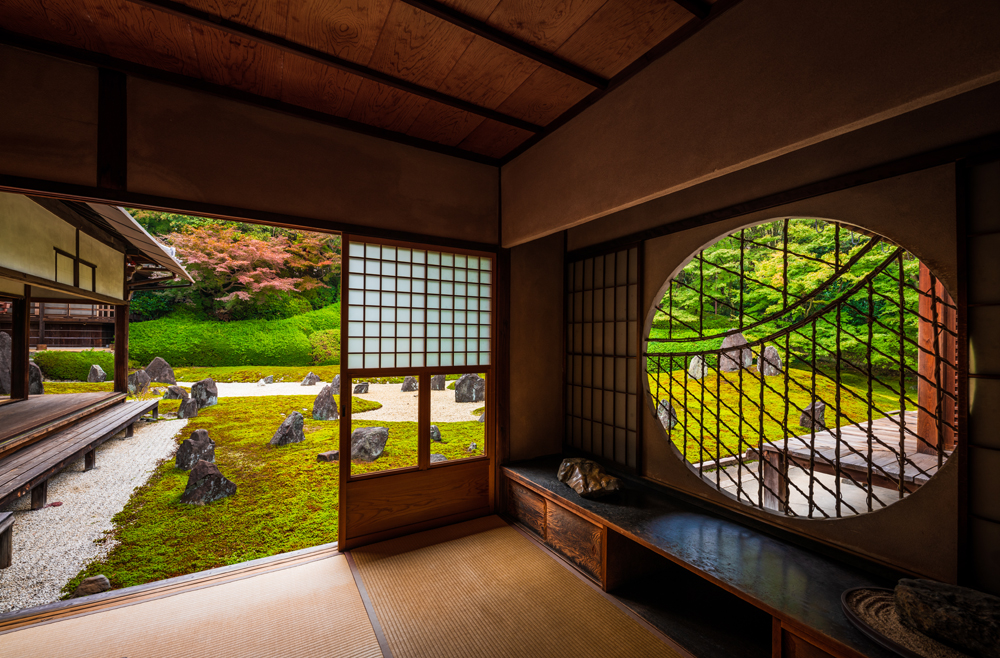
Spend the afternoon at Komyo-in Temple, a quieter Zen temple known for its contemplative rock garden and peaceful atmosphere away from the city’s larger temple crowds.
Continue onward to Kawai Kanjiro’s House, the preserved home and studio of celebrated potter Kanjiro Kawai. More than a museum, the wooden residence offers a glimpse into Kyoto’s enduring relationship with craftsmanship and everyday beauty.
Nearby, browse carefully curated ceramics and tea ware at Kyoto Amahare.
Evening
Reserve dinner at Aji Fukushima, a one Michelin-starred restaurant offering a thoughtful seasonal menu shaped by Kyoto’s culinary traditions.
Later in the evening, settle into Zac Baran for live jazz, whisky, and a side of Kyoto that feels far removed from temples and shrines.
Day Two
A Contemporary Tea Experience at Rust Sabi
Kyoto’s tea culture continues to evolve through spaces like Rust Sabi, where traditional tea rituals are interpreted through a more contemporary lens. The experience feels intimate, design-forward, and deeply connected to craftsmanship.
Lunch at Unagi Hirokawa
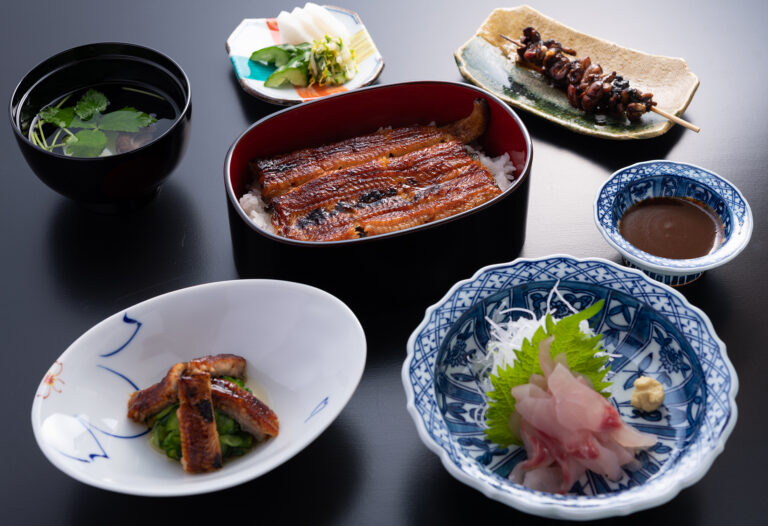
Tucked away in Arashiyama, Unagi Hirokawa is known for its charcoal-grilled eel prepared with remarkable precision. The atmosphere is quiet and understated, allowing the focus to remain on the craftsmanship behind each meal – something Kyoto does exceptionally well.
A Final Stroll Through Higashiyama
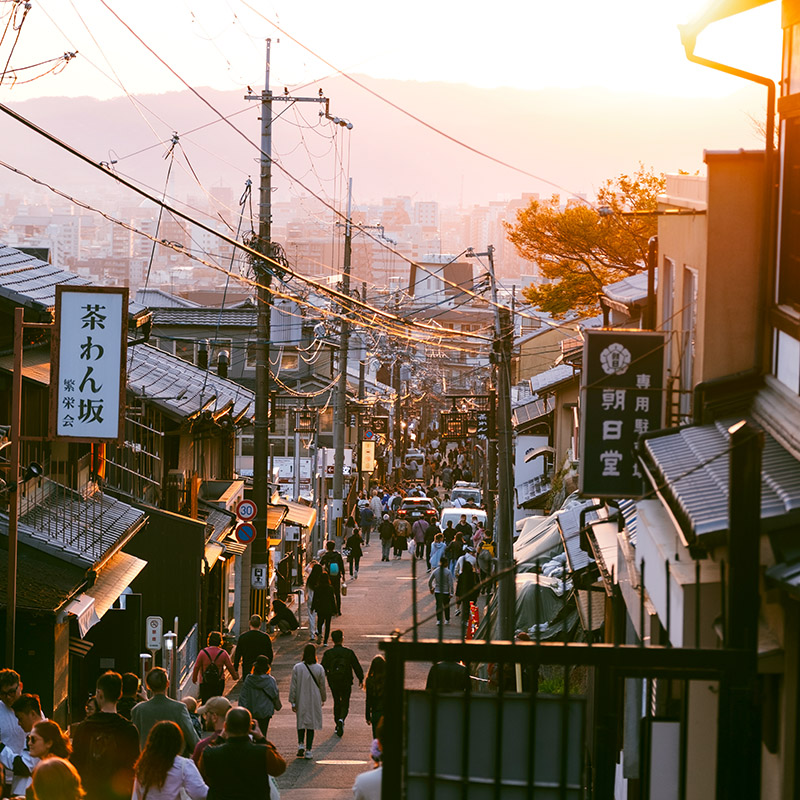
End your time in Kyoto with a slow walk through Higashiyama in the late afternoon.
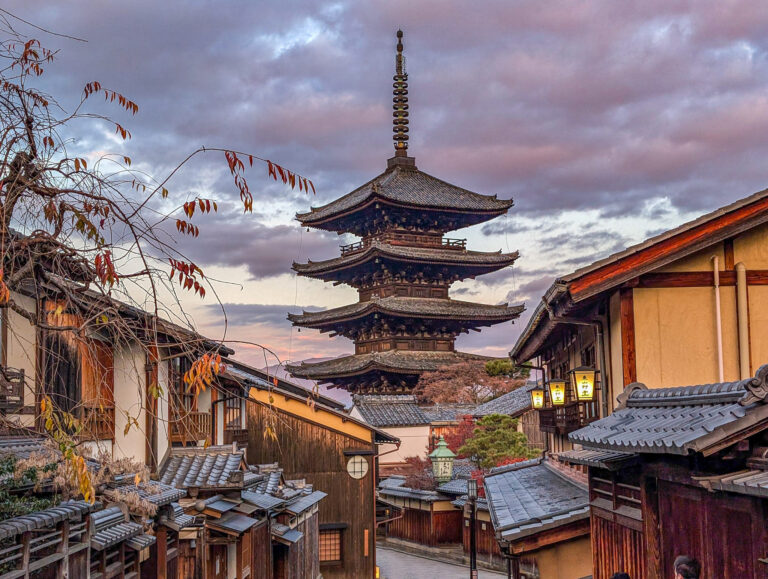
Away from the busiest streets, the neighbourhood still carries traces of old Kyoto: narrow stone lanes, wooden machiya facades, noren curtains swaying gently in the wind, and the distant sound of temple bells echoing through the evening air.
If time allows, continue toward the quieter stretches near the Philosopher’s Path, where canals lined with trees and small neighbourhood cafés offer a gentler side of the city.
Evening Drinks at P.M. Sounds
End the evening at P.M. Sounds, a small listening bar where vinyl records, natural wine, and low lighting create an atmosphere that feels distinctly modern Kyoto.
Ready for Kyoto?
Kyoto moves at a quieter pace.
Mornings begin beside the river in Arashiyama, afternoons disappear through temple gardens and pottery studios, and evenings unfold slowly over seasonal meals and dimly lit jazz bars.
Beyond its landmarks, the city reveals itself through small rituals: the preparation of tea, the craftsmanship behind a ceramic bowl, the atmosphere of a centuries-old soba house that has remained unchanged for generations.
This is the Kyoto we return to – thoughtful, restrained, and deeply rooted in tradition while quietly embracing the contemporary.
Travel through Kyoto with us, thoughtfully at your own pace.

Amala Travel
+65 6734 0370 info@amaladestinations.com
IATA : 96601131
TA License: TA02145
Proud Members of Serandipians