
Night Hunting in Bhutan
6 minutes read
Hidden beneath Bhutan’s serene image is Bomena, a fading rural courtship tradition where young men once climbed through windows under the cover of darkness in search of romance. Today, the practice exists somewhere between folklore, cultural debate, and a rapidly changing modern Bhutan.
by Isabelle de Braux
Hidden beneath Bhutan’s serene Himalayan image is Bomena, a fading rural courtship tradition where young men once climbed through windows under the cover of darkness in search of romance. Practiced for generations across parts of rural Bhutan, the custom now exists somewhere between folklore, cultural debate, and a rapidly changing modern world.
“Night hunting”, known as Bomena in Bhutan, is a traditional courtship custom still practiced in some rural parts of the country.
Bhutan is often regarded as one of the safest places in the world for female travellers, which makes this tradition especially surprising to outsiders. Bomena, loosely translated as “night hunting”, refers to a form of courtship where young men secretly visit women at night, often by climbing through windows or sneaking into homes under the cover of darkness.
The practice exists mostly in eastern, central, and some western rural regions of Bhutan. The original phrase is sometimes best understood as “prowling for girls”. Young men venture out at night either alone or in groups, often after village gatherings, with the hope of meeting a girl they already have in mind. Sometimes the girl is aware in advance; other times, the interaction is more spontaneous.
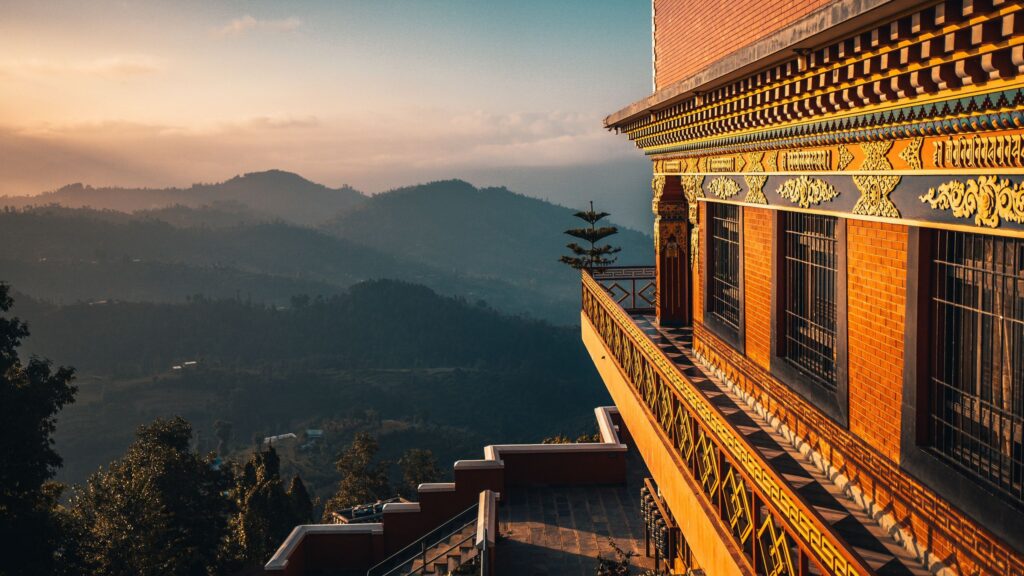
In many traditional Bhutanese homes, the architecture itself made this practice possible. Wooden houses with sliding window shutters and simple latches allowed for discreet entry. Over generations, young men even developed tools and techniques to quietly open doors and windows. Some climbed up the sides of houses, entered through windows, or even descended from rooftops.
If the young man successfully enters the home, he may still be rejected by the girl he is pursuing. Persuasion and conversation often form part of the ritual, particularly the first time. In tightly knit villages, families are often aware of what is happening even if they pretend otherwise.
Traditionally, if the man remained in the house until morning and both families approved, the couple could be considered married. However, if he left before dawn, neither the girl nor her family could formally accuse him or his family of wrongdoing. In some households, strict parents chased intruders away with sticks or hot water, while more liberal families pretended to sleep, especially if they approved of the suitor.
The custom becomes even more dramatic when considering that entire families traditionally slept together in one large communal room that functioned as both kitchen and living space. Under complete darkness, the young man had to know exactly where the girl was sleeping in order to avoid climbing into the wrong bed. Stories still circulate of boys accidentally waking grandparents or finding themselves in deeply awkward situations.
Like many traditional customs, Bomena has slowly faded with modernisation and socio-economic change.
Metal locks and modern housing have made nighttime visits more difficult, while contemporary dating culture, education, and urbanisation have introduced more familiar forms of courtship. Young people today are more likely to exchange messages or arrange dates openly than participate in this centuries-old tradition.
At the same time, the practice has become increasingly controversial. Critics, particularly among urban Bhutanese communities, argue that the tradition can blur the line between consensual courtship and harassment. New regulations and changing social attitudes have contributed to its decline.
Supporters of the tradition often argue that most encounters were historically consensual and rooted in a more liberal cultural understanding of relationships influenced by Bhutan’s tantric Buddhist heritage. However, changing family structures, legal systems, and modern expectations surrounding marriage and parenthood have altered how the practice is perceived today.
Modern education and global cultural influences continue to reshape Bhutanese society, gradually replacing older customs with new ideas about romance, relationships, and morality. Bomena now exists somewhere between folklore, fading tradition, and cultural debate – a practice both deeply rooted in Bhutan’s rural past and increasingly difficult to reconcile with the modern world.


Amala Travel
23 Balmoral Road, #03-25, Singapore 259806
+65 6734 0370 info@amaladestinations.com
IATA : 96601131
TA License: TA02145
Proud Members of Serandipians