
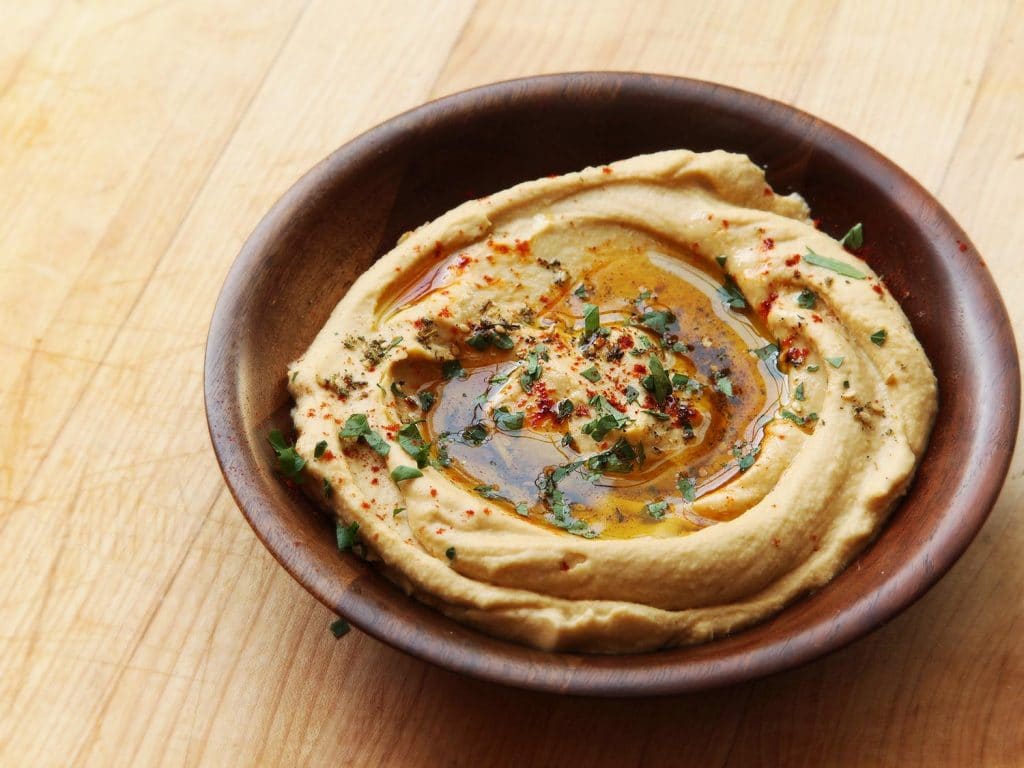
What begins as a simple question about who “owns” hummus slowly unfolds into something much larger: a story about migration, identity, memory, and the way cultures overlap through food. From Ottoman history to the so called “Hummus Wars” between Lebanon and Israel, this humble dish carries far more than chickpeas, tahini, garlic, and lemon within it.
About five years ago, just as my obsession with Mediterranean cooking was beginning to bloom, I was gifted a cookbook by English-Israeli chef Yotam Ottolenghi. Plenty is a beautiful collection of flavour packed recipes layered with herbs, spices, and influences stretching from Palestine to Malaysia.
But while rereading it recently, something stood out to me that hadn’t before: a short introduction titled “Finally, A Comment About Ownership.”
In it, Ottolenghi and his Palestinian co author Sami Tamimi explore the complicated question of tracing the origins of certain dishes, using hummus as Exhibit A.
A simple dish with an incredibly complicated history.
Hummus, it seems, has sparked debate for almost as long as it has existed. Israelis claim it as theirs. Turks too. Arabs, supported by the fact that hummus means chickpea in Arabic, also argue it belongs to them. So who do we really have to thank?
Ottolenghi and Tamimi ultimately dismiss the argument altogether:
“These arguments are futile. Nobody ‘owns’ a dish because it is very likely that someone else cooked it before them and another person before that.”
And honestly, how can we disagree?
If we try tracing hummus back through history, one version of the story begins in 13th century Egypt, where a dish resembling hummus appeared in medieval cookbooks. Another theory points to the Hebrew Bible, where bread is dipped into something called hometz, a word sounding remarkably similar to hummus, though in modern Hebrew it also translates to vinegar.
Again, uncertainty.
But perhaps that uncertainty is precisely the point.
Because hummus is no longer just about chickpeas, tahini, garlic, and lemon. It represents identity, belonging, history, displacement, and pride. Entire cultures see themselves reflected in it.
Nowhere was this more visible than during the so called “Hummus Wars” between Lebanon and Israel in the late 2000s.
After hummus became increasingly associated internationally with Israeli cuisine, the president of the Association of Lebanese Industrialists launched a campaign to have it officially recognised as Lebanese. There were petitions, legal threats, and eventually, giant bowls of hummus.
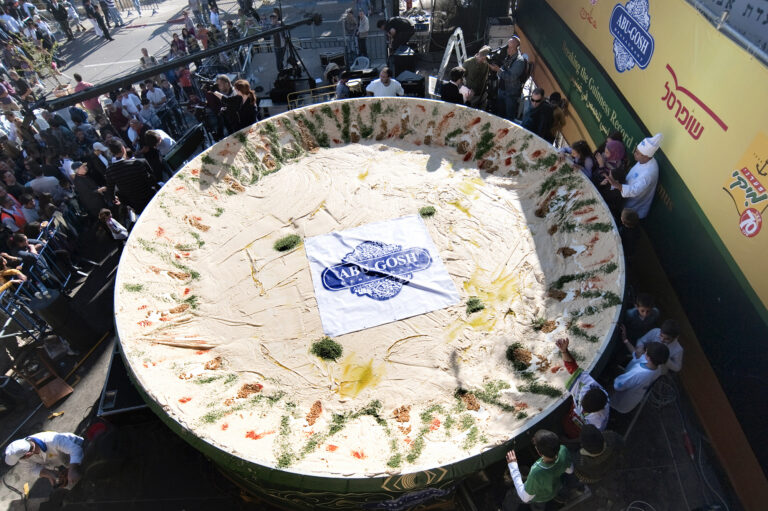
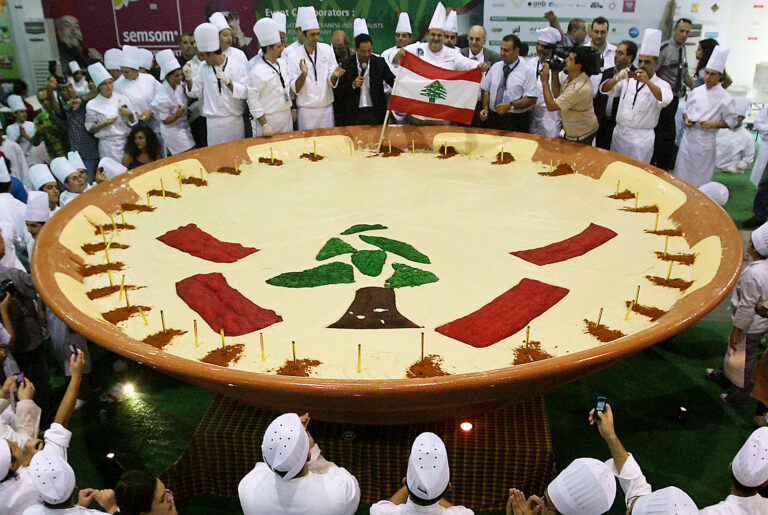
Lebanon first produced a 2,000 kilogram plate. Israel responded with a satellite dish sized version weighing 4,000 kilograms. Lebanon later reclaimed the title with more than 10,000 kilograms of hummus.
As absurd as it sounds, there is also something strangely moving about it.
Because food matters. Not just as nourishment, but as memory and identity. Especially in regions where borders, nations, and histories have shifted dramatically over centuries. At one point, much of this region existed under the Ottoman Empire. The borders dividing modern countries simply did not exist in the same way they do today.
And perhaps that is why crossover foods fascinate me so much.
As a curious traveller, I make it a point to seek out local food wherever I go. Dishes rooted in local flavours, rituals, and stories. But after years of travelling, one thing becomes increasingly obvious: cultures constantly overlap. Food blends. Recipes evolve. Influences travel.
Crossover foods are not so different from crossover music, fashion, art, or literature.
So while we often attribute dishes to certain places, sometimes the truth is a little more complicated. And thankfully, I am perfectly okay with that.
Because that means I will get to eat hummus in Jerusalem, in Cappadocia, in Beirut, in Athens, in Cairo, and in tiny villages I will probably never remember by name. Everywhere, someone will proudly tell me their version is the original. Everywhere, there will be stories.
And all I can really do is enjoy it:
this perfectly humble, wonderfully balanced dish that somehow carries centuries of history within it.

Amala Travel
23 Balmoral Road, #03-25, Singapore 259806
+65 6734 0370 info@amaladestinations.com
IATA : 96601131
TA License: TA02145
Proud Members of Serandipians