Mexico City Through Frida Kahlo & Diego Rivera
6 minutes read
From the cobalt-blue walls of Casa Azul to monumental murals hidden within historic buildings, this journey moves through the Mexico that shaped Frida Kahlo and Diego Rivera. Through art, architecture, markets, and everyday street life, the city reveals a cultural identity that still feels deeply alive today.
by Melody Tan
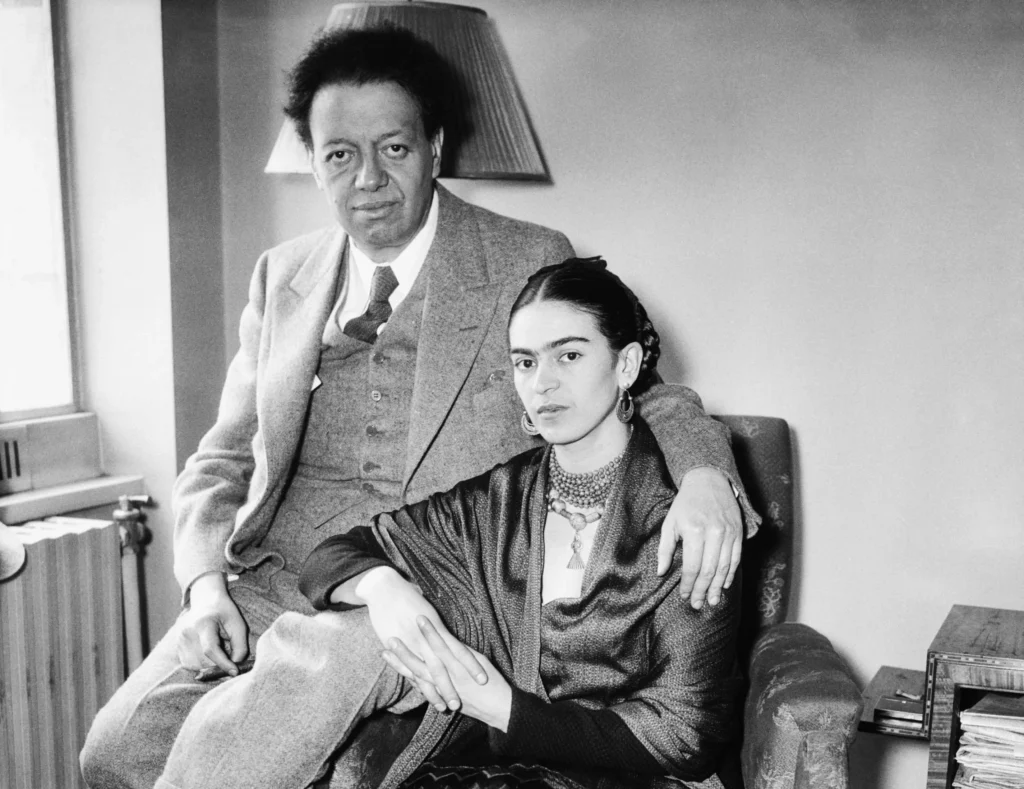
Some cities are best understood through their monuments. Mexico City reveals itself through colour, texture, and emotion. Long before Frida Kahlo became a global icon, and before Diego Rivera’s murals transformed public art in Mexico, both artists were deeply shaped by the city around them – its politics, indigenous traditions, volcanic landscapes, markets, food, and contradictions. Their work was never separated from everyday life. It spilled into homes, streets, public buildings, and conversations, turning Mexico City itself into part of the canvas. This journey moves through the places that shaped their world, offering a more intimate way of experiencing the city beyond its landmarks.
Frida Kahlo Museum
In Coyoacán, Frida Kahlo’s former home remains intensely personal.
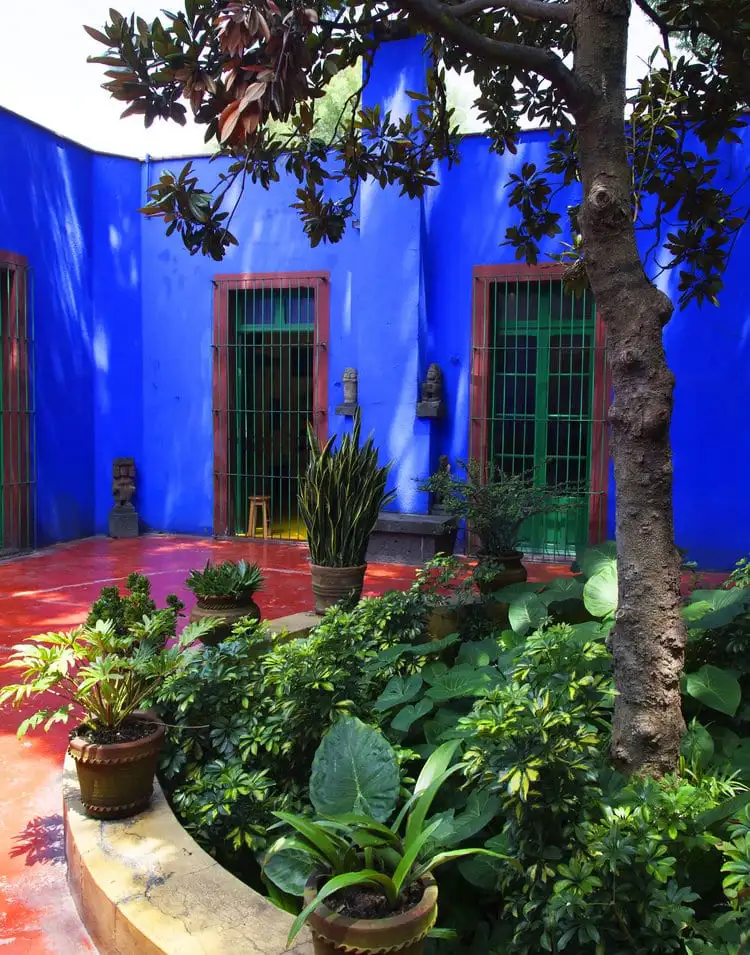
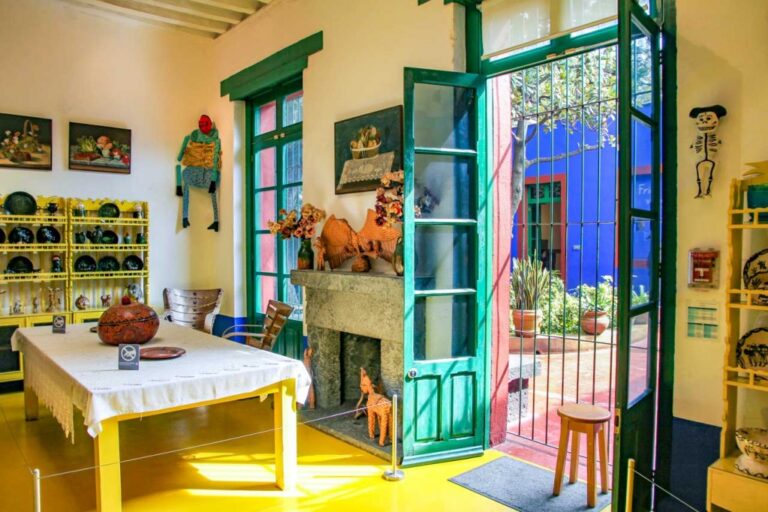
Known as Casa Azul, the cobalt-blue house still feels filled with her presence: traditional Mexican dresses hanging in wardrobes, handwritten objects scattered throughout rooms, lush inner courtyards overflowing with greenery, and studios flooded with natural light.
More than a museum, the house offers insight into how deeply Frida embraced Mexican craftsmanship, folk traditions, and identity within both her art and daily life.
Outside its walls, Coyoacán continues to hold a slower rhythm compared to the rest of the city, with tree-lined streets, neighbourhood markets, old colonial buildings, and small cafés spilling onto quiet plazas.
Museo Casa Estudio Diego Rivera y Frida Kahlo
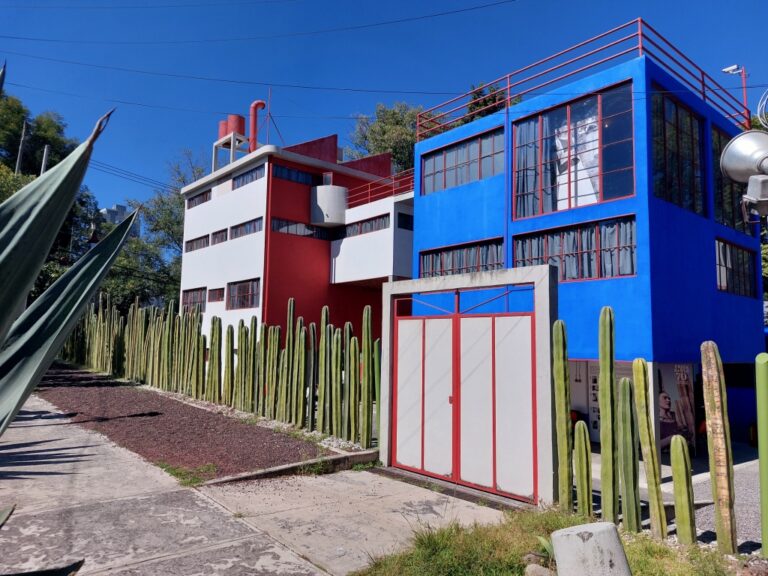
Designed by architect Juan O’Gorman in the 1930s, Casa Estudio offers a striking contrast to the warmth and intimacy of Casa Azul. The interconnected modernist homes and studios of Frida Kahlo and Diego Rivera reveal a more experimental side of their lives, where art, architecture, and politics converged during one of Mexico’s most transformative cultural periods.
Built from concrete, steel, and glass, the structure was radically modern for its time, reflecting the couple’s progressive ideals and creative independence. Walking through the studios today, traces of their daily lives still remain visible: Rivera’s paintbrushes and collections, double-height creative spaces flooded with natural light, and views across the surrounding neighbourhood that once became part of their artistic world. The space feels less like a museum and more like stepping directly into the environment where ideas, conversations, and some of Mexico’s most important artistic works once took shape.
Anahuacalli Museum
Built by Diego Rivera from volcanic stone, the Anahuacalli Museum feels almost temple-like in atmosphere.
The structure itself reveals Rivera’s fascination with pre-Hispanic Mexico, housing thousands of indigenous artefacts collected throughout his lifetime. Heavy stone walls, shadowed corridors, and panoramic terraces overlooking the city create an experience that feels dramatically different from the intimacy of Casa Azul.
Together, the two spaces reveal the contrasting yet deeply connected worlds of both artists.
Museo Mural Diego Rivera
Home to Diego Rivera’s celebrated mural Dream of a Sunday Afternoon in Alameda Central, this smaller museum offers one of the most fascinating windows into Mexico’s social and political history through art. The monumental mural brings together over four centuries of Mexican figures : revolutionaries, artists, politicians, and historical characters, all gathered within a surreal scene set inside Alameda Park.
At the centre stands a young Diego Rivera holding hands with La Calavera Catrina, alongside Frida Kahlo herself. The mural feels layered, playful, political, and deeply symbolic all at once, revealing Rivera’s extraordinary ability to merge history, satire, and national identity into a single work. Seeing it in person offers a deeper understanding of how both Rivera and Kahlo viewed Mexico not simply as a backdrop, but as the heart of their artistic vision.
Leon Trotsky House Museum
A short distance from Casa Azul lies the former home of Leon Trotsky, where Frida Kahlo and Diego Rivera once hosted the Russian revolutionary after he was granted asylum in Mexico.
The fortified residence remains remarkably preserved, offering insight into the political world that surrounded both artists throughout their lives. Beyond art, Frida and Diego were deeply involved in intellectual and political movements of their time, and visiting the house reveals another dimension of Mexico City’s cultural history during the 1930s and 40s.
Where We Stay
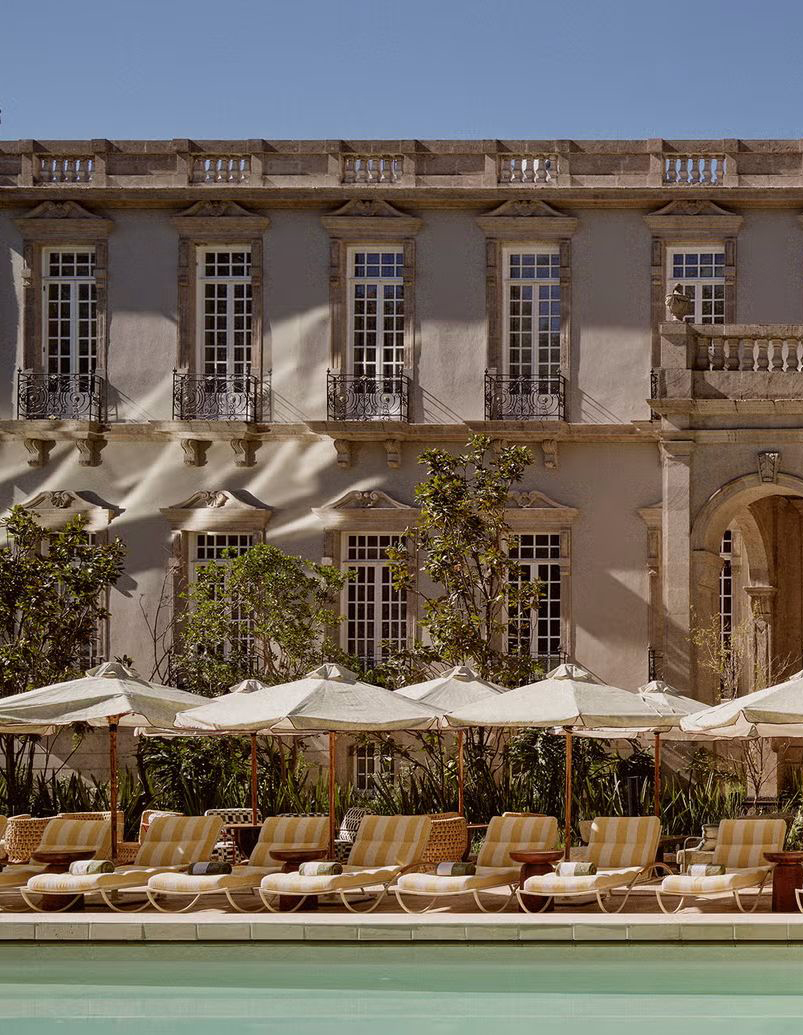
For a quieter retreat within the city, properties like Casa Polanco or Ignacia Guest House offer a more intimate experience of Mexico City.
Set within residential neighbourhoods filled with galleries, cafés, and independent boutiques, both reflect a slower and more design-conscious side of the capital while remaining deeply connected to the city’s creative energy.
Enquire with us to discover some of our favourite stays across the city, thoughtfully chosen for their sense of place, character, and connection to Mexico City’s creative spirit.

Amala Travel
+65 6734 0370 info@amaladestinations.com
IATA : 96601131
TA License: TA02145
Proud Members of Serandipians