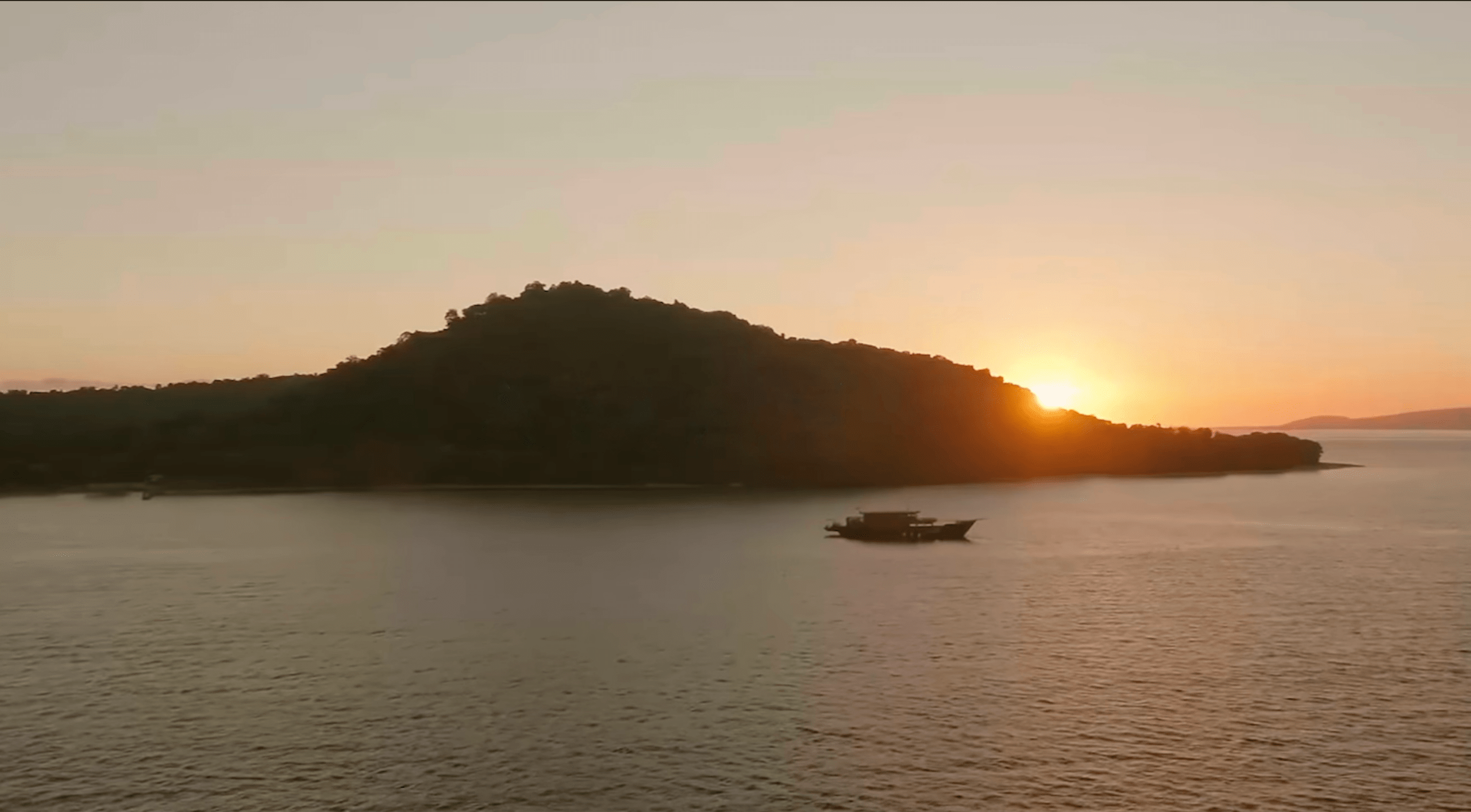
Bhutan (sold out)
31 May – 7 June 2026
From USD 5,830 per person
BHUTAN SMALL GROUP JOURNEY
There are moments in the year when Bhutan is impossibly green, the Himalayan views are crystal clear, and its finest lodges are accessible at seasonal rates.
From 31 May – 7 June, we will travel through Thimphu, Punakha, Gangtey and Paro, staying at Bhutan’s most exceptional lodges, including &Beyond Punakha River Lodge, Gangtey Lodge and COMO Uma Paro, and moving at a pace that allows for depth, connection and space.
*This group trip is currently sold out. Kindly contact us to speak to an advisor about future group trips.
Itinerary & Inclusions
Day 1 — Journey to Bangkok
Depart for Bangkok and enjoy an overnight stay before tomorrow morning’s flight into the Himalayas and the Kingdom of Bhutan.
Day 2 — Arrival in Bhutan
Fly into Paro, one of the world’s most spectacular airport landings, before driving through river valleys and pine forests to Thimphu, Bhutan’s charming capital. Along the way, cross an ancient iron bridge and begin settling into the slower rhythm of the Himalayas.
Day 3 — Into the Punakha Valley
Journey across the dramatic Dochula Pass with panoramic Himalayan views before descending into the lush Punakha Valley. Visit the Sangchhen Dorji Lhuendrup Nunnery before arriving at the beautiful &Beyond Punakha River Lodge.
Day 4 — Temples & Fortresses
Explore the stunning Khamsum Yulley Namgyal Chorten and the magnificent Punakha Dzong, one of Bhutan’s most iconic fortresses, set at the confluence of two rivers and draped in prayer flags.
Day 5 — Journey to Gangtey
Visit the famed Chimi Lhakhang, known as the Temple of Fertility, before continuing into the serene Phobjikha Valley. Arrive at Gangtey Lodge and enjoy a gentle nature walk through forests, villages and open valley landscapes.
Day 6 — The Longtey Hike
Embark on one of Bhutan’s most beautiful hikes through ancient rhododendron forests, high mountain passes and remote villages, with sweeping views across the Gangtey Valley.
Day 7 — Return to Paro
Travel back west through the Himalayas towards Paro, stopping at scenic mountain passes, traditional craft workshops and local galleries before checking into COMO Uma Paro.
Day 8 — Tiger’s Nest Monastery
Hike to the legendary Tiger’s Nest Monastery, dramatically perched on a cliffside above the Paro Valley. Later, visit one of Bhutan’s oldest and most sacred temples, Kyichu Lhakhang.
Day 9 — Departure
After breakfast, transfer to Paro International Airport for your onward journey, departing Bhutan with unforgettable memories of its landscapes, culture and spiritual heritage.
Inclusions & Exclusions
Inclusions
- International flights as mentioned by DRUKAIR and BHUTAN AIRLINES in Economy Class, taxes included
- All accommodation and meals as specified
- 1 night’s stay at The Pema Thimphu, Deluxe Room, half board basis
- 2 nights’ stay at &Beyond Punakha River Lodge, Tented Suite, half board basis
- 2 nights’ stay at Gangtey Lodge, Suite, half board basis
- 2 nights’ stay at COMO Uma Paro, Valley View Room, half board basis
- All other meals in local restaurants/lodges
- Mineral water provided throughout your journey
- A licensed English-speaking Bhutanese Amala Destinations guide throughout your journey with all tours and entrance fees
- Driver in Bhutan in a Toyota Hiace for the duration of the trip
Exclusions
- Bangkok-Singapore flight
- Bangkok accommodation
- Travel insurance
- Gratuities for your guide and driver
Pricing
Twin Sharing – USD 5,830
Single Occupancy – $7,800 USD
This group trip is currently sold out. Kindly contact us to speak to an advisor about future group trips.
Key Facts About Amala’s Bhutan Group Journey
Accommodation Highlights
- The Pema Thimphu
- &Beyond Punakha River Lodge
- Gangtey Lodge
- COMO Uma Paro
Signature Experiences
- Hike to the iconic Tiger’s Nest Monastery
- Explore Punakha Dzong and sacred temples
- Scenic Himalayan drives via Dochula Pass
- Guided hikes through the Phobjikha Valley
- Bhutanese cultural experiences and local encounters
- Stay at some of Bhutan’s most beautiful luxury lodges
Ideal For
Travellers seeking a deeply immersive and thoughtfully paced Himalayan journey combining culture, spirituality, beautiful landscapes and luxury hospitality.
Fitness Level
Moderate. Guests should be comfortable with scenic walks and hikes, including the Tiger’s Nest hike which takes approximately 4–5 hours round trip.
FAQ about Group Trip
What is the best time to visit Bhutan?
The best time to visit Bhutan depends on what you want to experience. Spring (March–May) brings blooming rhododendrons and mild weather, while autumn (September–November) offers clear skies and stunning mountain views. Winter (December–February) is great for fewer crowds and festive celebrations, while summer (June–August) sees lush landscapes with occasional monsoon rains.
Do I need a visa to travel to Bhutan?
The best time to visit Bhutan depends on what you want to experience. Spring (March–May) brings blooming rhododendrons and mild weather, while autumn (September–November) offers clear skies and stunning mountain views. Winter (December–February) is great for fewer crowds and festive celebrations, while summer (June–August) sees lush landscapes with occasional monsoon rains.
What are the must-see attractions in Bhutan?
The best time to visit Bhutan depends on what you want to experience. Spring (March–May) brings blooming rhododendrons and mild weather, while autumn (September–November) offers clear skies and stunning mountain views. Winter (December–February) is great for fewer crowds and festive celebrations, while summer (June–August) sees lush landscapes with occasional monsoon rains.
What cultural customs should I be aware of when visiting Bhutan?
The best time to visit Bhutan depends on what you want to experience. Spring (March–May) brings blooming rhododendrons and mild weather, while autumn (September–November) offers clear skies and stunning mountain views. Winter (December–February) is great for fewer crowds and festive celebrations, while summer (June–August) sees lush landscapes with occasional monsoon rains.
What are the must-see attractions in Bhutan?
The best time to visit Bhutan depends on what you want to experience. Spring (March–May) brings blooming rhododendrons and mild weather, while autumn (September–November) offers clear skies and stunning mountain views. Winter (December–February) is great for fewer crowds and festive celebrations, while summer (June–August) sees lush landscapes with occasional monsoon rains.
What is the best way to get to Bhutan from Singapore?
The best time to visit Bhutan depends on what you want to experience. Spring (March–May) brings blooming rhododendrons and mild weather, while autumn (September–November) offers clear skies and stunning mountain views. Winter (December–February) is great for fewer crowds and festive celebrations, while summer (June–August) sees lush landscapes with occasional monsoon rains.
Are credit cards accepted in Bhutan?
The best time to visit Bhutan depends on what you want to experience. Spring (March–May) brings blooming rhododendrons and mild weather, while autumn (September–November) offers clear skies and stunning mountain views. Winter (December–February) is great for fewer crowds and festive celebrations, while summer (June–August) sees lush landscapes with occasional monsoon rains.
Can you visit Bhutan without a guide?
The best time to visit Bhutan depends on what you want to experience. Spring (March–May) brings blooming rhododendrons and mild weather, while autumn (September–November) offers clear skies and stunning mountain views. Winter (December–February) is great for fewer crowds and festive celebrations, while summer (June–August) sees lush landscapes with occasional monsoon rains.

Amala Travel
+65 9230 4940 info@amaladestinations.com
IATA : 96601131
TA License: TA02145
Proud Members of Serandipians